
Dismissed in Spain?
You have 20 working days.
The clock starts the day after your dismissal takes effect. Twenty working days: Saturdays, Sundays and public holidays do not count. Once that deadline passes, the dismissal stands, however unfair it was and however strong your case would have been.
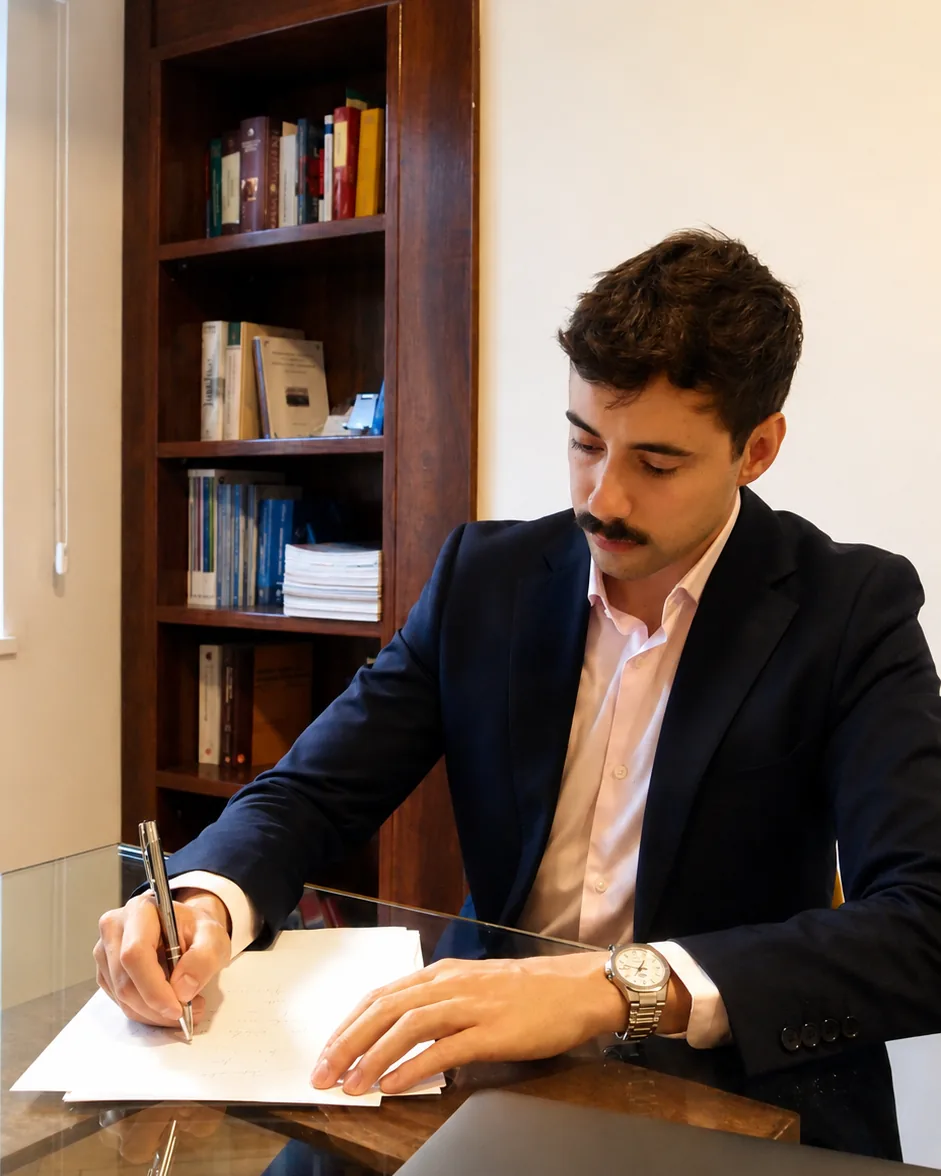
I am Álvaro Balsa Prados, an employment lawyer in Madrid, bar number 127.094 of the Madrid Bar Association. I act for employees. This page explains what a dismissal in Spain actually involves, so you can decide what to do with the days you have left.
If you would rather write, send a line about your situation and your phone number to info@iuxtaabogados.es and I will call you back.
This is the part nobody tells you.
Almost everything else can be fixed later. This cannot. It is a time bar, not a limitation period: it does not restart, and it is not extended because you were negotiating, on sick leave or abroad.
What kind of dismissal have you been given?
Spanish law treats four situations very differently, and the letter you received tells you which one you are in. The money at stake changes enormously between them.
Disciplinary dismissal
The company alleges misconduct: absences, poor performance framed as a breach, a disciplinary incident. The letter must set out the facts and the dates. No compensation is paid if a court upholds it.
In practice, many of these letters are vague or late, and that is precisely what makes them unfair.
Objective dismissal
Economic, technical, organisational or production grounds. The company must state the cause, give you 15 days' notice and pay the compensation at the same time as it hands you the letter: 20 days' salary per year of service, capped at 12 months' pay.
If it failed to do any of that, the dismissal is usually unfair regardless of whether the business reason was real.
Unfair dismissal
This is not a type of letter. It is what a court declares when the company cannot prove its grounds or got the formalities wrong. Compensation is 33 days' salary per year of service, capped at 24 months' pay.
If you started before 12 February 2012, the years before that date are calculated at 45 days per year, which can raise the figure substantially.
Null dismissal
Reserved for dismissals that breach fundamental rights: discrimination, retaliation for having claimed, pregnancy and parental leave, among others. There is no compensation to negotiate because the dismissal simply does not exist.
You are reinstated in your job and the company pays the salary you lost in the meantime.
The daily rate matters more than the formula.
Everyone focuses on 20 or 33 days. In practice the bigger differences come from what goes into the salary figure those days are multiplied by, and that is where companies tend to be conservative.
Your real salary, not your base salary
Bonus and variable pay, commissions, company car, health insurance, housing, meal allowances. Benefits in kind count, spread over the year.
Every year with the company
Including earlier temporary contracts and periods through an agency, if the work was continuous. Service is often longer than the payroll record suggests.
Whether you started before 12 February 2012
Those years are worth 45 days each instead of 33. For long service this is the single largest variable in the calculation.
What the letter says, and what it leaves out
A letter without dates, without specific facts, or that invokes grounds the company cannot evidence, is the most common reason dismissals are declared unfair.
Whether the compensation was actually paid
In objective dismissals the money must be available when the letter is given, not later and not in instalments, unless the company states and proves it cannot pay.
What you signed on the way out
A settlement document is not a receipt. If you signed one, it matters what it said and whether you wrote that you did not agree. Do not assume it is final until someone reads it.
Four steps, and most cases end at the second.
Consultation
We go through your dismissal letter, your contract and your last payslips, and I tell you what I see: whether the dismissal holds up, what you are actually owed and whether it is worth claiming. 45 to 60 minutes, €60 plus VAT, in my office in Madrid or by video call.
Conciliation
A formal request is filed with the mediation service before any court claim. It suspends the deadline and sets a hearing where both sides meet. A large share of dismissals are settled here, within weeks rather than months.
Court claim and hearing
If there is no agreement, the claim goes to the Social Section of the court. Evidence is proposed, witnesses are called and the case is argued at a single hearing. Waiting times in Madrid are long, and that is part of what you weigh when deciding whether to settle.
Judgment
If the dismissal is declared unfair, the company normally chooses between reinstating you and paying the compensation. If it is declared null, you are reinstated and paid what you lost. Either side can appeal.
What that does and does not mean.
You deal with me, in English
The consultation, the calls, the emails and the explanation of every document are in English. You will not be handed a Spanish file and left to work out what it says.
The proceedings are in Spanish
Filings, the hearing and the judgment are in Spanish, because that is the language of the court. I translate and explain as we go, and where a document formally requires it, a sworn translator is used.
Employment law only
I act on the dismissal itself, whatever your nationality and whatever your situation in Spain. What I do not handle is immigration: if losing your job also affects a residence or work permit, that is a separate field and you will need a specialist for it. I will tell you that early, so you can deal with both things at once instead of finding out late.
Not sure whether your dismissal was lawful?
Call me and we will look at it. Bring your dismissal letter, your contract and your last twelve payslips, and in one sitting you will know what you are owed and whether it is worth claiming. 45 to 60 minutes, €60 plus VAT, in person in Madrid or by video call.
Álvaro Balsa Prados · Bar number 127.094, Madrid Bar Association · Doctor Fleming 31, Madrid